Mebalovo: Discovering the Quiet Charm of a Historic Russian Village
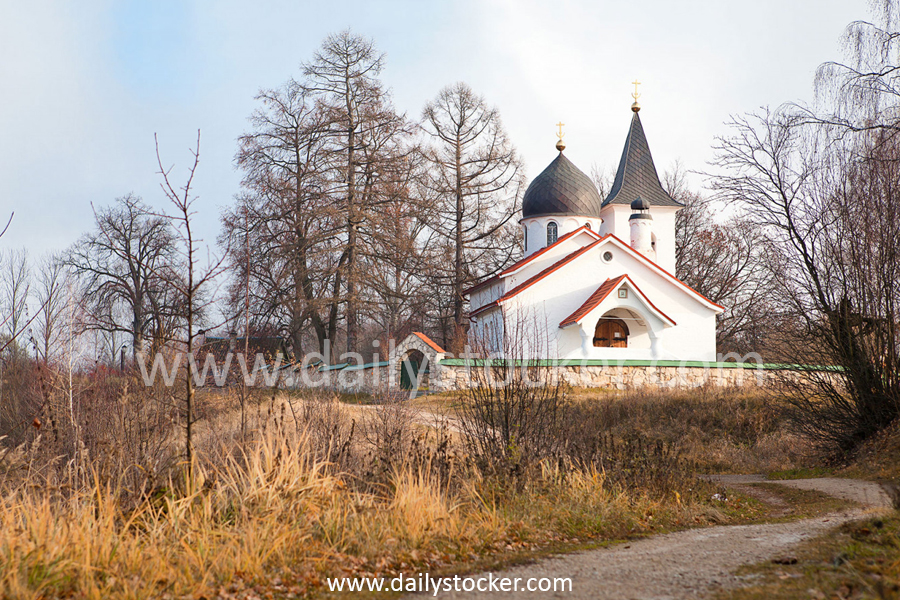
Mebalovo is a small yet historically rich village located in Russia, known for its peaceful rural atmosphere, deep-rooted traditions, and connection to centuries of local history. Nestled away from the noise of modern cities, Mebalovo represents the classic image of a Russian countryside settlement—wooden houses, open fields, slow-paced life, and a strong sense of community. Though not widely known on a global scale, Mebalovo carries cultural and historical significance that reflects the broader story of rural Russia
Mebalovo, a charming village nestled in Russia, boasts a rich historical tapestry. Dating back centuries, this tranquil locale has witnessed the ebb and flow of empires, agricultural transformations, and generational traditions that continue to shape daily life. Unlike tourist-heavy destinations, Mebalovo offers something more subtle and authentic: a glimpse into real village life where history, nature, and culture quietly coexist.
Historical Origins of Mebalovo
The history of Mebalovo stretches back several centuries, rooted in early Slavic settlement patterns. Like many Russian villages, Mebalovo likely began as an agricultural community, formed near fertile land and accessible water sources. These early settlers relied on farming, livestock, and seasonal harvests to sustain their families.
Over time, Mebalovo became part of regional administrative systems under different Russian rulers. It experienced changes during the Tsarist era, where land ownership and peasant life were closely tied to feudal structures. Despite hardships, the village survived through resilience and strong communal bonds.
Historical records suggest that Mebalovo witnessed key national transitions, including the abolition of serfdom and later Soviet collectivization. Each era left subtle marks on the village’s structure, traditions, and social life. What makes Mebalovo special is not grand monuments but continuity—generations living on the same land, preserving memories through oral history and everyday customs.
Geographic Setting and Natural Landscape
Mebalovo is surrounded by the kind of natural beauty that defines rural Russia. Rolling fields, clusters of trees, and open skies dominate the landscape. The village’s geographic setting supports agriculture and offers a peaceful environment far removed from industrial noise.
Seasonal changes dramatically shape life in Mebalovo. Winters blanket the village in snow, creating a quiet, almost timeless atmosphere. Spring brings renewal as fields turn green and farming activities resume. Summers are mild and productive, while autumn paints the countryside in warm colors during harvest season.
This close relationship with nature influences everything—from daily routines to cultural traditions. Residents understand the land intimately, respecting natural cycles and weather patterns. For visitors or researchers, Mebalovo provides an example of how geography and lifestyle remain deeply interconnected.
Traditional Architecture and Village Layout
The architectural style of Mebalovo reflects traditional Russian village design. Wooden houses, often built with locally sourced timber, line modest dirt or gravel roads. Many homes feature carved window frames, pitched roofs, and functional layouts designed to withstand harsh winters.
Farm buildings such as barns, storage sheds, and animal enclosures are typically located near family homes. This arrangement highlights the agricultural foundation of village life. Older structures often carry historical value, having been maintained or rebuilt by the same families over generations.
Unlike planned urban areas, Mebalovo grew organically. Its layout reflects practical needs rather than strict design rules. This organic development adds to the village’s charm and offers insight into how rural communities historically adapted to their environment.
Daily Life and Community Bonds
Life in Mebalovo moves at a slower, more deliberate pace. Daily routines revolve around work, family, and seasonal responsibilities. Farming, gardening, and household maintenance are central activities, often shared among neighbors.
Community bonds are strong. People know each other well, and social interactions are frequent and personal. Celebrations, religious events, and communal workdays reinforce a sense of belonging. In Mebalovo, cooperation is not optional—it is a way of life.
This strong social fabric provides emotional and practical support, especially during difficult seasons. While modern conveniences have reached parts of rural Russia, the core values of mutual help and respect remain deeply embedded in village culture.
Agriculture and Local Economy
Agriculture has long been the backbone of Mebalovo’s economy. Residents traditionally grow crops such as grains, potatoes, and vegetables while raising livestock like cows and chickens. Much of the production supports local consumption, with surplus occasionally sold in nearby markets.
During the Soviet era, collectivized farming influenced production methods and labor organization. After economic transitions, many families returned to small-scale farming, combining traditional practices with limited modern tools.
Today, the local economy remains modest but stable. Self-sufficiency is valued, and financial wealth is often measured in land productivity and food security rather than income alone. This economic model supports sustainability and independence.
Cultural Traditions and Folklore
Cultural traditions in Mebalovo are preserved through festivals, storytelling, and everyday practices. Folklore plays an important role, with tales passed down orally from elders to younger generations.
Seasonal celebrations tied to planting and harvest cycles remain meaningful events. Music, traditional clothing, and home-cooked meals bring the community together. These traditions strengthen identity and continuity in a rapidly changing world.
Religion also influences cultural life, often blending with local customs. Small churches or nearby religious centers serve as gathering places for important milestones such as weddings and memorials.
Education and Knowledge Sharing
Education in Mebalovo has historically been limited to basic schooling, often located in nearby villages or towns. Despite this, informal education through family and community plays a crucial role.
Children learn practical skills early—farming techniques, household management, and respect for nature. Elders serve as teachers, sharing wisdom shaped by experience rather than textbooks.
Modern access to technology has expanded educational opportunities, but traditional knowledge remains equally valued. This balance between old and new defines learning in Mebalovo.
Mebalovo and Modern Development
While Mebalovo remains largely traditional, modern influences are gradually appearing. Improved roads, mobile connectivity, and access to regional services have changed daily life.
However, development is cautious and slow. Residents often prioritize preserving their way of life over rapid modernization. This approach helps maintain cultural authenticity but also presents challenges, such as limited employment opportunities for younger generations.
Mebalovo’s future depends on finding harmony between progress and preservation—a challenge faced by many rural communities worldwide.
Demographic Changes and Migration
Like many villages, Mebalovo has experienced demographic shifts. Younger residents sometimes move to cities for education or work, leading to an aging population.
Despite this, some families return later in life, drawn by nostalgia and the appeal of rural living. Seasonal migration also occurs, with residents working temporarily in urban areas while maintaining ties to the village.
These patterns reflect broader social changes while highlighting Mebalovo’s enduring pull as a place of belonging.
Food Culture and Local Cuisine
Food in Mebalovo is simple, hearty, and deeply connected to the land. Meals often feature locally grown ingredients prepared using traditional recipes.
Soups, bread, dairy products, and preserved vegetables form dietary staples. Cooking methods emphasize nourishment and practicality rather than complexity.
Sharing food is a social act, reinforcing relationships and hospitality. Visitors are often welcomed with home-cooked meals, reflecting the village’s generous spirit.
Seasonal Rhythms of Life
Life in Mebalovo follows the rhythm of the seasons. Each season brings distinct responsibilities and experiences.
Spring focuses on planting and renewal. Summer is the busiest period, filled with fieldwork and long days. Autumn centers on harvesting and preparation for winter. Winter, though harsh, offers time for rest, reflection, and indoor activities.
This seasonal structure shapes both work and worldview, fostering patience and adaptability.
The Role of Nature in Village Identity
Nature is not just a backdrop in Mebalovo—it is central to identity. Residents view the land as a living partner rather than a resource to exploit.
Respect for forests, soil, and wildlife is ingrained in daily behavior. This environmental awareness has been practiced long before sustainability became a global topic.
Mebalovo demonstrates how traditional lifestyles can coexist with ecological balance.
Challenges Facing Mebalovo Today
Despite its strengths, Mebalovo faces challenges common to rural areas. Limited healthcare access, infrastructure maintenance, and economic opportunities are ongoing concerns.
Climate changes also affect agricultural predictability, requiring adaptation. Maintaining population levels and passing traditions to younger generations remain critical issues.
Addressing these challenges requires thoughtful policies and community-driven solutions.
The Enduring Appeal of Rural Life
Mebalovo’s appeal lies in its simplicity, authenticity, and human connection. For those seeking a slower pace of life, the village represents an alternative to urban stress.
Its value extends beyond geography—it offers lessons in resilience, community, and respect for tradition. In an increasingly digital world, places like Mebalovo remind us of enduring human foundations.
Conclusion
Mebalovo stands as a quiet yet powerful example of rural Russian life shaped by history, nature, and tradition. From its centuries-old origins to its modern-day challenges, the village reflects resilience and cultural continuity. Though small and often overlooked, Mebalovo carries lessons about community, sustainability, and balance that remain relevant today. By understanding and appreciating places like Mebalovo, we preserve not only local heritage but also a deeper connection to human history and shared values.
Frequently Asked Questions FAQs
1. What is Mebalovo known for?
Mebalovo is known for its traditional rural lifestyle, agricultural roots, and strong community bonds.
2. Where is Mebalovo located?
Mebalovo is a village in Russia, situated in a rural region surrounded by natural landscapes.
3. Is Mebalovo a tourist destination?
It is not a major tourist spot, but it appeals to those interested in authentic village life and history.
4. What is daily life like in Mebalovo?
Daily life is slow-paced, focused on farming, family, and seasonal activities.
5. Does Mebalovo have historical significance?
Yes, its history spans several centuries, reflecting broader Russian rural development.
6. How do people earn a living in Mebalovo?
Most residents rely on agriculture, small-scale farming, and local trade.
7. Is Mebalovo affected by modernization?
Modern influences exist, but the village largely preserves traditional ways of life.
8. Why is Mebalovo important culturally?
Mebalovo preserves folklore, customs, and rural traditions that are increasingly rare.
Don’t miss out on any news—keep in touch for real-time information, visit Daily Stocker.
Share this content:














Post Comment