Lufanest Culture Explained: Traditions That Keep Communities Strong
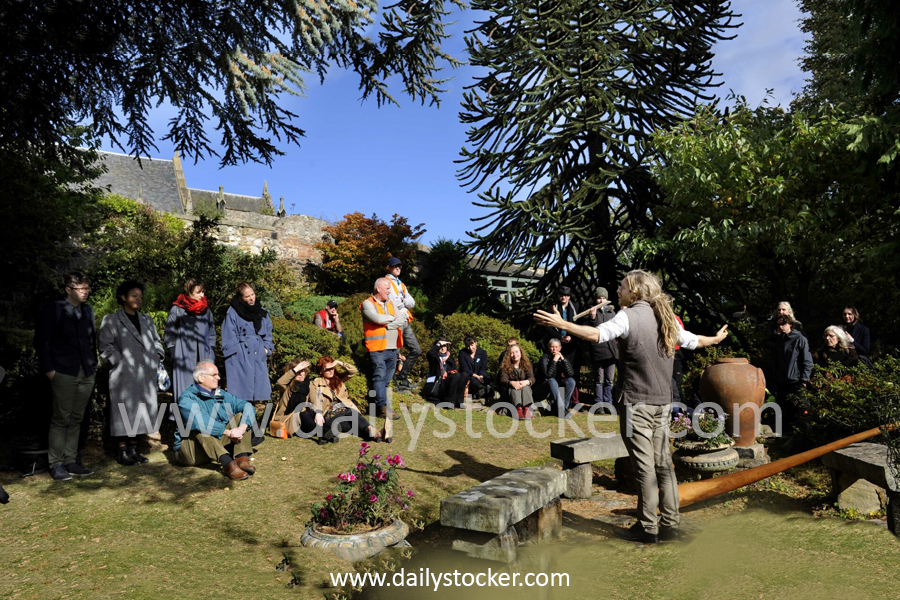
Lufanest is a cultural concept that represents the collective traditions, values, and shared way of life of a community rooted in heritage and human connection. Rather than being a single ritual or belief, it reflects how people live, celebrate, remember, and pass down meaning from one generation to the next. Lufanest exists wherever traditions are practiced with purpose, blending history with everyday life in a way that feels natural and alive.
In a world moving rapidly toward modernization, many cultural practices risk fading away. Yet Lufanest continues to thrive because it adapts without losing its soul. It offers people a sense of belonging, identity, and continuity. This article explores lufanest from multiple angles—its origins, values, social role, artistic expression, and relevance today—showing why it remains deeply meaningful in modern times.
The Deeper Meaning Behind Lufanest
Lufanest is not just about what people do; it is about why they do it. At its core, it reflects shared memory and collective understanding. Every practice linked to it carries meaning shaped by the experiences of ancestors and preserved through time.
What makes it powerful is its emotional depth. It connects people through shared experiences, whether joyful celebrations or solemn moments. These connections strengthen communities and help individuals feel grounded. Lufanest becomes a living reminder that culture is not static—it grows as people live it.
Origins and Cultural Foundations
The roots of lufanest stretch back to early communal living, when survival depended on cooperation, shared knowledge, and mutual respect. Traditions emerged naturally as ways to mark seasons, honor life events, and teach values.
Over time, these practices became cultural anchors. They were refined, repeated, and passed down, forming a recognizable identity. Even as societies evolved, the foundational principles—unity, respect, and continuity—remained intact. This long history gives Lufanest its depth and resilience.
Traditions as Living Practices
Traditions within Lufanest are not frozen in the past. They are lived daily, shaped by people who practice them. Festivals, ceremonies, and rituals are moments when the community comes together, reinforcing bonds.
These practices often change subtly over time. New elements may be added, while older ones are preserved. This balance ensures relevance without erasing meaning. Traditions survive not because they resist change, but because they adapt thoughtfully.
Lufanest and Community Bonds
Community lies at the heart of Lufanest. It encourages participation rather than observation. People are not just spectators; they are contributors to shared culture.
Through collective activities—gatherings, shared meals, or cooperative work—relationships are strengthened. This sense of togetherness builds trust and mutual responsibility. Lufanest reminds people that community is not automatic; it is something that must be nurtured continuously.
The Role of Family and Generations
Families play a crucial role in keeping lufanest alive. Elders pass down stories, customs, and values, while younger generations bring fresh perspectives.
This intergenerational exchange ensures continuity. Children do not just learn traditions; they understand their meaning. When families actively participate, culture becomes personal rather than abstract. This is one reason lufanest remains deeply rooted across generations.
Storytelling as Cultural Memory
Stories are the backbone of Lufanest. They explain origins, teach lessons, and preserve history in a form that is easy to remember and share.
Through storytelling, traditions gain context. A ritual becomes more than an action; it becomes a narrative tied to identity. These stories are often shared during gatherings, strengthening emotional connections and keeping cultural memory alive.
Artistic Expression Within Lufanest
Art, music, and dance are powerful expressions of lufanest. They allow emotions, beliefs, and history to be communicated beyond words.
Traditional patterns, rhythms, and movements often carry symbolic meaning. Artistic expression is usually communal, emphasizing shared joy over individual performance. This collective creativity reinforces unity and keeps culture vibrant and engaging.
Spiritual and Symbolic Dimensions
Many aspects of lufanest carry spiritual significance. Rituals may honor ancestors, natural forces, or life transitions.
Spirituality here is often integrated into daily life rather than confined to formal ceremonies. Simple acts—gratitude, respect, mindfulness—carry symbolic weight. These practices help people stay connected to something larger than themselves.
Lufanest in a Modern World

Modern life has transformed how traditions are practiced, but lufanest continues to evolve rather than disappear. Technology, migration, and globalization influence cultural expression.
Today, traditions may be shared online, documented digitally, or adapted to new environments. This does not weaken Lufanest; it expands its reach. By embracing modern tools, communities keep traditions relevant and accessible.
Challenges to Cultural Continuity
Like all cultural systems, lufanest faces challenges. Rapid urbanization, cultural blending, and lack of awareness can dilute traditions.
The biggest risk is loss of meaning. When practices are followed without understanding, they lose impact. Addressing this requires education, storytelling, and active participation. Culture survives when people choose to engage with it consciously.
Preservation Through Awareness and Participation
Preserving lufanest is not about resisting change but guiding it thoughtfully. Communities must create spaces for dialogue, learning, and celebration.
Workshops, cultural events, and intergenerational conversations help keep traditions meaningful. Preservation succeeds when people feel ownership rather than obligation. it thrives when it is lived, not merely remembered.
Why Lufanest Still Matters Today
In an age of constant change, where technology reshapes daily life and traditions are often pushed aside, it offers a sense of stability and belonging. It reminds people that shared values and collective identity still matter, even in a fast-moving world. When individuals feel disconnected or overwhelmed, traditions connected to it provide familiarity and comfort, helping people stay rooted in something meaningful.
Beyond cultural preservation, it plays a powerful emotional role. It gives rhythm to life by marking moments of joy, reflection, and togetherness. Simple rituals and shared customs transform ordinary days into meaningful experiences, strengthening emotional well-being. Encouraging connection, respect, and continuity, it helps build stronger individuals and more resilient communities that can adapt to change without losing their core identity.
Final Thoughts on Lufanest
Ultimately, Lufanest is more than just a collection of traditions—it is a living expression of identity, connection, and continuity. In essence, it weaves together history, values, stories, and everyday practices into a shared cultural fabric. As a result, communities are able to honor their past while, at the same time, creating space for growth and transformation. Therefore, traditions remain relevant rather than becoming outdated or forgotten.
Moreover, as the world continues to evolve, Lufanest clearly proves that traditions do not have to disappear in order for progress to happen. Instead, they can adapt thoughtfully while still preserving their deeper meaning. Consequently, by embracing lufanest with understanding, active participation, and intention, people ensure that culture not only survives but also stays alive, relevant, and deeply human for generations to come.
Share this content:














Post Comment