Jernsenger Explained: Types, Styles & Complete Guide (2026)
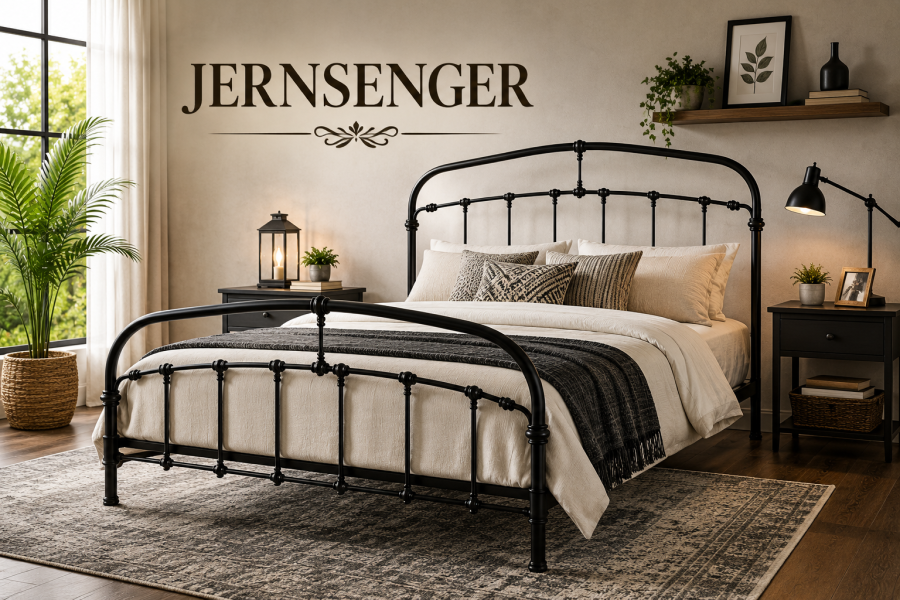
I’ll be honest, the first time I ran into this word I assumed it was a typo. Googled it, got three different answers — a blogging tool, a furniture brand, some forum thread that went nowhere. Turns out none of that is right. It’s Norwegian. “Jernseng.” Jern means iron, seng means bed. Say them together fast and you basically get the English pronunciation for free.
So: an iron bed frame. That’s it. That’s the whole mystery.
Why Jernsenger Is Suddenly Everywhere
What’s actually interesting isn’t the word, it’s why it’s suddenly everywhere again. Walk into any furniture showroom right now and you’ll see rows of these things dressed up as “industrial” or “Scandinavian” or whatever the label of the month is. People are sick of buying furniture that looks tired after two winters. A metal frame doesn’t sag, doesn’t wear down at the joints the way a cheap wooden bed does, and there’s something about the way it opens a room up — no big solid panel blocking the light, just bars and negative space — that a lot of people find they actually prefer once they live with it.
A Quick Jernsenger Summary
Below is basically everything worth knowing before you buy one. Where the style comes from, why it keeps resurfacing, and the stuff nobody tells you until you’re already assembling the thing on your bedroom floor at 11pm.
Quick answer, if you’re in a hurry: it’s an iron or metal bed frame. Sturdy, doesn’t need babying, comes in about a dozen different aesthetics so there’s usually one that fits whatever your room already looks like.
Where the Jernsenger Word Comes From
Already covered this above but worth repeating since people skim: jern = iron, seng = bed. Nothing hidden in there.
You won’t hear the word in casual English conversation — nobody’s saying “nice jernsenger” at a dinner party — but you’ve definitely seen the furniture. Depending on the store, it gets sold as an iron bed, a metal frame, a steel bed, wrought iron, vintage metal, whatever. Same object, different marketing.
A Bit of Jernsenger History
These go back further than most people assume. Not decades — centuries. They really took off in Europe during the 1800s, and back then it had nothing to do with style. It was hygiene. Wood soaks up moisture, attracts bugs, breaks down. Iron mostly shrugs all that off, so hospitals used it, army barracks used it, hotels used it — anywhere that needed furniture to survive heavy use without turning into a health hazard.
Over time craftsmen started making it pretty on top of being practical. Curved headboards. Scrollwork. Brass fittings. Floral shapes hammered into the metal. What started as a purely functional object slowly became something people wanted for how it looked, not just because it wouldn’t rot.
That split personality — tough underneath, decorative on top — is still basically the whole appeal today.
Why Jernsenger Is Back in Style
A few honest reasons, not marketing reasons.
It Ages Well
That’s the big one. Trend-driven furniture looks dated embarrassingly fast — you know exactly which decade a couch is from just by glancing at it — but a well-made iron frame kind of dodges that. Put it in a brand new apartment or a hundred-year-old farmhouse and it doesn’t look out of place in either.
It’s Genuinely Tougher
A solid frame goes years, sometimes decades, without bending, without developing that annoying wobble cheap wood beds get. Termites don’t touch it. Humidity barely bothers it.
Barely Any Maintenance
Low maintenance is a bigger selling point than people admit. Nobody wants a second job taking care of their bed frame. Dust it sometimes, tighten a screw once in a while, done.
Surprisingly Flexible
There’s a flexibility thing too that I didn’t expect until I saw it in person — same black frame, completely different bedding and rug, and suddenly the whole room reads differently. You’re not buying new furniture every time you want a change, just new sheets.
Better Value Over Time
Price is the last piece. Yeah, a good one costs more up front than particleboard furniture from a big-box store. But do the math over fifteen years and it’s usually the cheaper option, because you’re not replacing it twice in that window.
What Actually Makes a Good Jernsenger
The Material Baseline
Most are built from steel, wrought iron, powder-coated metal, or some kind of reinforced alloy. Any of those will hold a mattress fine without warping — that’s really just table stakes, not something to get excited about.
Where the Real Differences Show Up
Open designs (thin bars, lots of visible space) tend to feel airier than boxed-in ones with heavy panels — better airflow too, which matters more than people expect. The headboard usually carries most of the visual weight, whether that’s ornate scrollwork or just clean straight lines. And finish changes the whole mood: matte black reads moody, white reads soft and Scandinavian, bronze or antique gold leans traditional.
The Details You Don’t See
Reinforced joints. A solid center support bar. Legs that don’t wobble. Anti-slip feet so it doesn’t creep across the floor over months of use. Skip those and even a gorgeous frame turns creaky and unstable within a year.
Different Jernsenger Styles
There’s a real range here, from ornate to almost invisible.
Classic iron. Curved lines, rounded corners, that old-world craftsmanship that never really goes out of fashion. Good in cottages, farmhouses, anything leaning traditional. Pairs naturally with floral bedding and warm lamps.
Modern minimalist. Straight bars, thin profile, matte finish, nothing decorative hanging off it anywhere. This is the one for small apartments or anyone who wants a calmer room.
Industrial. Thick black steel, exposed joints, no attempt to hide that it’s metal. Looks great against exposed brick or concrete floors — a bit stark on its own, but paired with the right room it’s one of the strongest looks on this list.
Scandinavian. Slim white frames, natural wood accents nearby, everything kept light and quiet. The whole point of Scandi design is not competing with the natural light in the room, and these frames fit that philosophy almost perfectly.
Vintage. Old European charm — scrollwork, tall headboards, brass, antique finishes. Works with linen bedding and a couple of mismatched vintage lamps.
Canopy. Four posts, dramatic, basically becomes the room’s focal point whether you want it to or not. Great in bigger bedrooms; a bit much in a small one.
Platform. No box spring needed, lower profile, cleaner overall look. Popular right now mostly because it just simplifies the whole setup.
Jernsenger vs. Wooden Beds, Side by Side
| Feature | Jernsenger (Iron Bed) | Wooden Bed |
| Durability | Very high | Moderate |
| Lifespan | 20–30+ years | 10–20 years |
| Termite resistance | Excellent | Moderate |
| Maintenance | Very low | Moderate |
| Weight | Medium–heavy | Heavy |
| Modern look | Strong | Good |
| Moisture resistance | Better | Can swell over time |
| Cleaning | Easy | Moderate |
| Price range | Medium–high | Medium–high |
Neither one is objectively “better” — depends what you’re optimizing for. Want maximum lifespan and minimum fuss? Metal wins pretty comfortably. Want that natural warmth wood gives a room? That’s a real preference and there’s nothing wrong with it. Plenty of people just mix both in the same bedroom and don’t think twice about it.
Why People Actually Like Living With a Jernsenger
Real Strength
A solid frame carries a heavy mattress for years without sagging in the middle, which is more than a lot of wooden frames can say after year five or six.
Better Airflow
Open designs let air move underneath the mattress instead of trapping moisture, which helps things stay fresher longer than you’d expect.
Almost No Maintenance
Wipe it down, tighten a bolt here and there, that’s the whole routine. No refinishing, no special polish, no drama.
Easy to Restyle
It’s flexible in a way that surprises people — same frame, new bedding, and the room reads completely differently. Rustic one season, modern the next.
A Bit More Sustainable
There’s a sustainability angle too if that matters to you — a lot of these are recyclable, and because they last so long you’re just not throwing furniture away every few years.
Better Long-Term Value
Even though the upfront cost stings a bit more, the long lifespan usually means you come out ahead compared to replacing cheaper furniture every five years.
Jernsenger Downsides, Because There Are Some
Nothing’s perfect. A few honest ones:
They’re heavy. Once assembled, moving one across a room is a two-person job, not a solo Tuesday-afternoon rearrange.
Assembly takes patience. These usually ship flat-packed, and rushing the instructions is exactly how you end up with the wobble everyone complains about online.
And yeah — cheap ones squeak. Almost always fixable by tightening bolts or adding better mattress support, but it’s worth buying from a brand that doesn’t cut corners in the first place, so you’re not dealing with it constantly.
Matching Your Jernsenger to Your Room
Rough pairings that tend to work:
Modern room → matte black frame, white bedding, grey walls, keep it minimal. Scandinavian → white frame, wood nightstands, beige textiles, soft lighting. Farmhouse → bronze finish, cotton bedding, woven baskets. Going for something luxe → black canopy frame, velvet bedding, warm gold lighting. Industrial → dark steel against brick or concrete, leather accents nearby.
Nail the pairing and a fairly plain metal bed ends up carrying the whole room.
How to Actually Pick the Right Jernsenger
Don’t just pick based on looks — that’s the mistake most people make.
Measure the Room First
Seriously, before anything else. You want enough clearance to walk around, open drawers, fit a nightstand without everything feeling like a hallway.
Get the Size Right
Twin for kids or solo sleepers, full for teens or a guest room, queen for couples or mid-sized rooms, king for bigger master bedrooms, super king only if you genuinely have the square footage to spare. This is the single most common regret people mention after buying — going too big or too small for the actual room.
Pay Attention to Material
Powder-coated steel, wrought iron, carbon steel, reinforced alloy — not all metal is equal, and the cheaper stuff will show it within a couple of years.
Check the Support System
Reinforced center bar, sturdy legs, good slats, tight joints — this is what actually keeps your mattress from sagging, even though it’s the part nobody checks first.
Think About Your Room As It Is Now
Not the room you’re imagining someday. Modern or traditional? Should the bed be the star or just blend in? If you’re not sure, neutral finishes like black, white, or bronze tend to age the best regardless of what you do with the rest of the room later.
Before You Order a Jernsenger, Check For:
Correct size for the room. Solid metal construction, not thin stamped stuff. Powder-coated finish for rust resistance. A stable support system underneath. Reasonable assembly — read a few reviews on that specifically. An actual warranty. Decent customer reviews overall. Rust resistance confirmed, not just implied. Headboard height that suits your ceiling and room proportions. And obviously, something that actually matches your existing décor.
Common Jernsenger Buying Mistakes
Skipping Measurements
This is the big one — room size, doorway width, staircases if you’re on an upper floor, mattress dimensions. All of it matters more than people think until the frame doesn’t fit through the door.
Ignoring Weight Limits
Every frame has a max, and going with a stronger one than you strictly need just buys you peace of mind later.
Choosing Looks Over Comfort
A stunning frame that can’t actually support your mattress properly isn’t doing its job, no matter how good it looks in a photo.
Buying the Cheapest Option Available
It shows up fast — loose joints, squeaking, chipped paint within a year. Spending a bit more upfront almost always pays for itself.
Not Thinking Ahead
If you know you’re moving or redecorating soon, pick something timeless enough to survive the change instead of chasing whatever’s trendy this month.
Keeping Your Jernsenger Clean
This is genuinely low-effort furniture. Dust it weekly with a soft cloth, mainly around the joints and any decorative detail where grime likes to collect. Every few weeks, run through the screws and bolts and tighten anything that’s loosened up.
Moisture is really the only thing to watch. Wipe up spills right away, dry it properly, skip harsh chemical cleaners. A few protective pads under the legs keeps your floor from scratching too.
If you’re moving it, don’t drag it — take the mattress off, lift with help, and set it back down carefully. Saves the frame and whatever flooring’s underneath.
A Few Jernsenger Styling Tips
Layer the bedding instead of one flat blanket — duvet, throw, a few cushions. Makes the whole bed feel more finished, almost hotel-like.
Warm lighting helps a lot. Metal can read cold on its own, and a warm bedside lamp fixes that instantly, especially against darker finishes.
Mix in natural materials nearby — wood, linen, wool, rattan — so the room doesn’t tip too far into “industrial and sterile.”
Don’t bury the headboard under ten pillows. It’s usually the best-looking part of the whole piece, so let people actually see it.
And a plant nearby never hurts. Softens the hard lines, makes the whole corner feel a bit more alive.
Jernsenger Questions People Actually Ask
What does jernsenger mean? Norwegian for iron bed. Jern is iron, seng is bed.
Do they actually last? Yes, generally — a good one can go decades with barely any upkeep.
Do metal beds squeak? Mostly just the cheap ones, or ones that weren’t assembled carefully. Tightening the bolts usually fixes it.
Good for small bedrooms? Surprisingly, yes. The open design tends to make small rooms feel bigger than boxed-in wooden frames do.
What mattress works best? Most modern types are fine — memory foam, hybrid, pocket spring, latex. Worth checking the manufacturer’s specific guidance anyway.
Can they rust? A good powder-coated finish resists it well. Keep it clean and dry and you’re unlikely to see any.
Worth the money? For most people, yes — durable, low-maintenance, and flexible enough to fit a lot of different bedroom styles without much effort.
Bottom Line on Jernsenger
These stick around for a reason. They hold up, they don’t demand much from you, and they still look decent years later, which is more than most furniture can honestly claim. Tiny minimalist apartment or big farmhouse bedroom, doesn’t really matter — a good iron frame tends to fit in either one.
You’re trading a bit of wood’s natural warmth for real durability and a lot less maintenance, plus a look that’s easy to adjust as your taste shifts over the years. Get the size, material, and finish right, and it’s basically furniture you stop thinking about — which, honestly, is the whole point.
Share this content:












Post Comment